

Armadale Residence:
Restoring Flow & Function
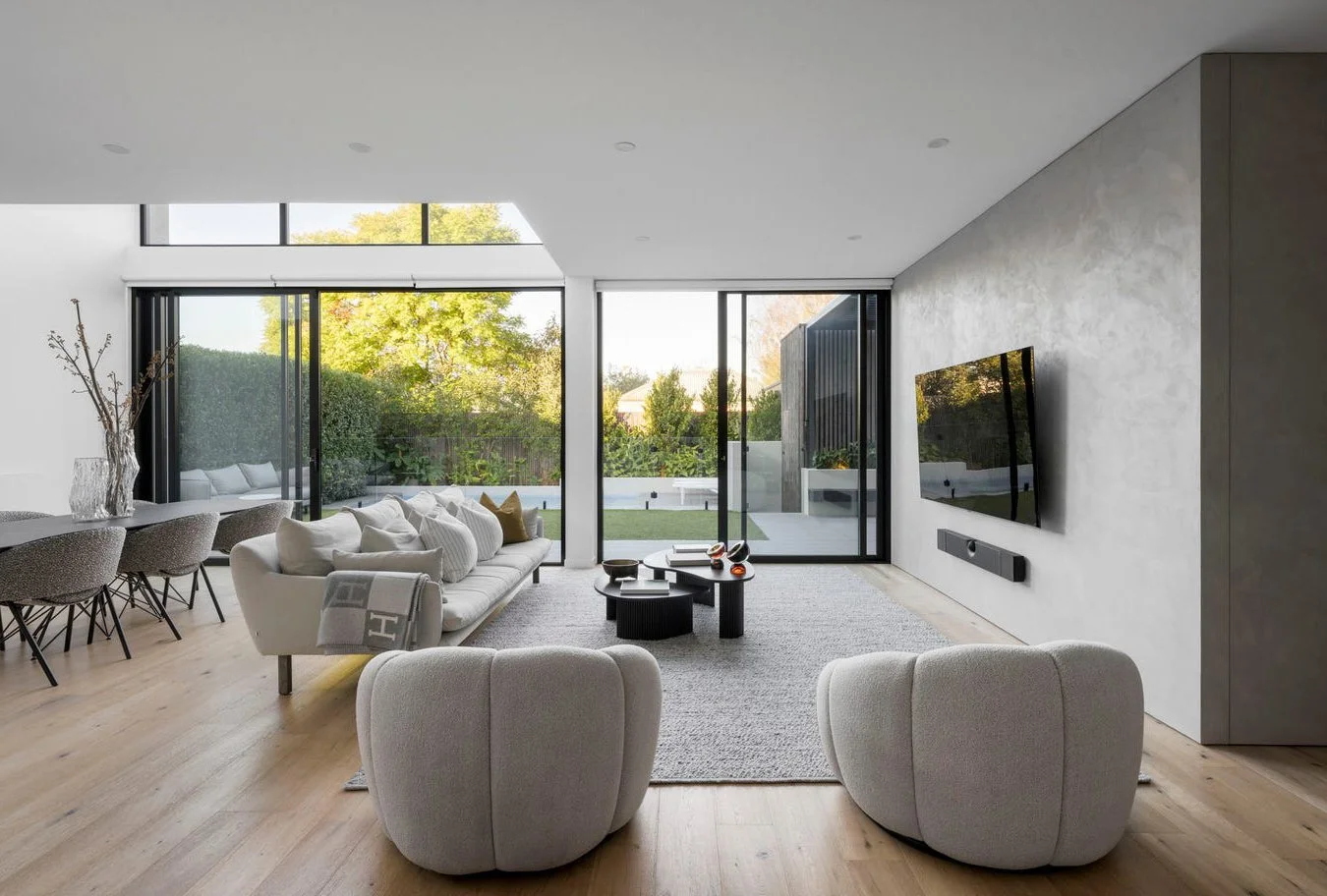
Restored symmetry and flow: a reconfigured entertainment wall that finally works for everyday living.
When Beauty Isn’t Enough
The Challenge
The Design Solution
The Result
What the Homeowners Say
At first glance, this Armadale home appeared beautifully resolved. But in daily life, the main living and entertainment zone told a different story.
The existing design prioritised visual impact over function, creating a space that felt clunky, restrictive, and frustrating to live in.
Furniture placement was compromised, circulation paths were awkward, and the entertainment wall—despite its craftsmanship—worked against the way the family actually used the room.
The entertainment wall combined a fireplace, display shelving, and television, yet its configuration forced the TV off-centre and limited how furniture could be arranged.
Watching a movie never quite worked, movement through the space was disrupted, and entering or exiting the room felt inconvenient rather than intuitive.
Storage was another major issue throughout the home. Despite generous ceiling heights typical of a period property, much of the vertical potential was unused.
The brief was clear: retain the home’s beauty, but make it work—every day.
Rather than expanding the footprint, we focused on correcting proportion, symmetry, and flow.
1. Re-centering the Living Zone
The existing entertainment wall was rebuilt and finished in microcement, allowing the television to be centralised. This immediately restored visual balance, enabled furniture to be properly centred, and resolved circulation issues throughout the room.
2. Storage That Works Harder
The under-stairs bar was refined, and a former bedroom behind the kitchen was reconfigured into a generous butler’s pantry. Wall-to-wall, ceiling-to-floor joinery provided much-needed storage without compromising the kitchen layout.
Ensuite walk-in robes were also redesigned to fully utilise the home’s 3.3-metre ceilings, allowing access to the highest storage zones and dramatically improving functionality.
3. A Shift in Language and Style
The palette evolved from classic modern to minimalist modern, giving the period home a sharper edge—an acknowledgement of its heritage, while confidently moving forward. The result feels intentional, contemporary, and quietly bold.
What was once visually impressive but impractical is now effortless to live in.
The living space flows naturally, furniture sits comfortably, the television can finally be enjoyed as intended, and entertaining friends and family is seamless and joyful.
This project demonstrates that good design isn’t just about how a space looks—but how it supports real life.
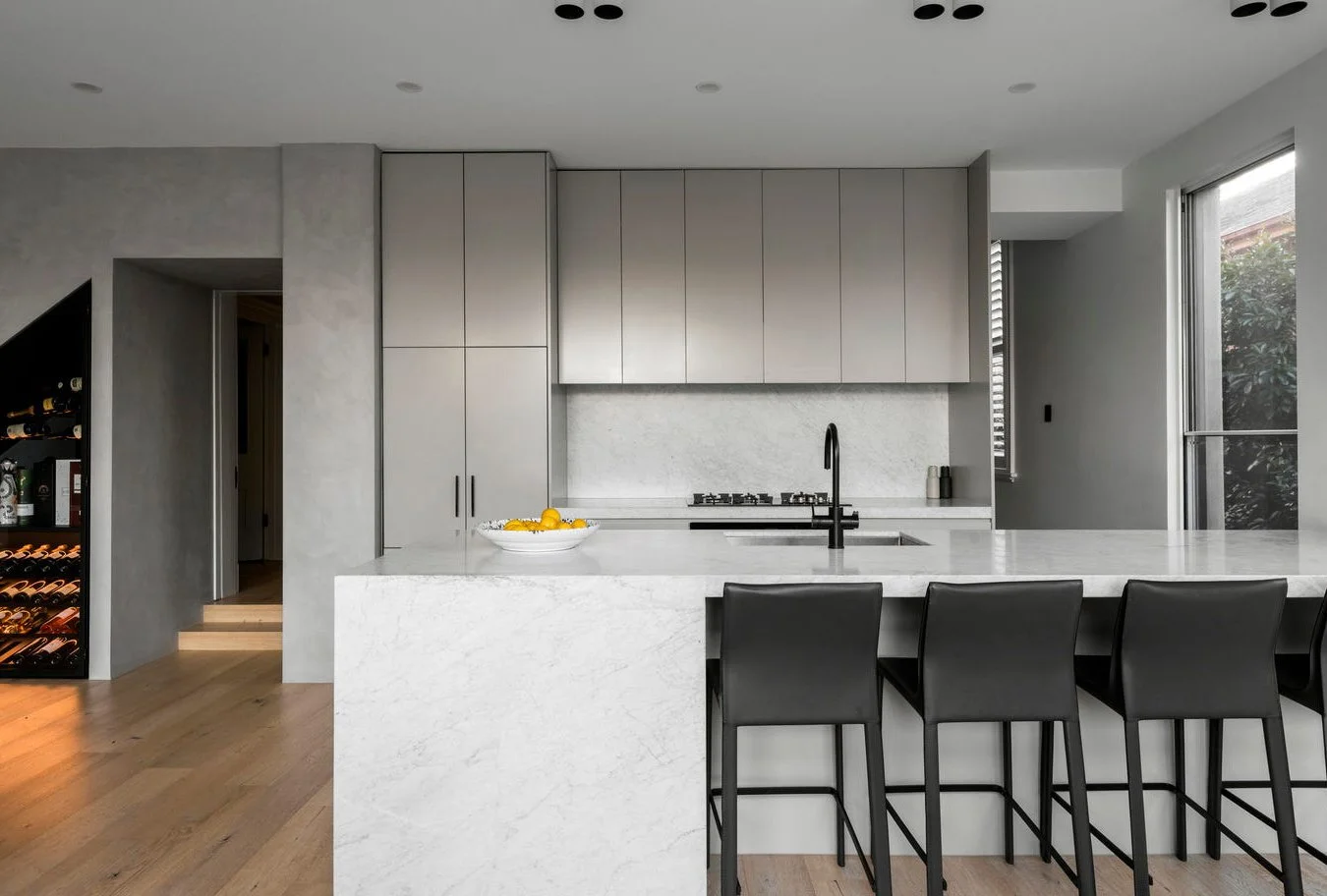
Consistent stone and joinery finishes connect the kitchen, under-stairs bar, and butler’s pantry, creating a cohesive and unified flow
“We had an amazing experience working with Virginia on Hampden Road, Armadale. The attention to detail in our butler’s pantry, walk-in wardrobe joinery, and bar under the stairs was exceptional. Each space is both beautifully designed and highly functional. Their design vision, craftsmanship, and ability to truly understand our needs made the entire process seamless and enjoyable. We couldn’t be happier with the result.”
Project Details
Location: Armadale, Victoria
Scope: Living & Entertainment Zone Redesign, Butler’s Pantry, Custom Joinery, Storage Optimisation
Service: Interior Design Full Documentation Package
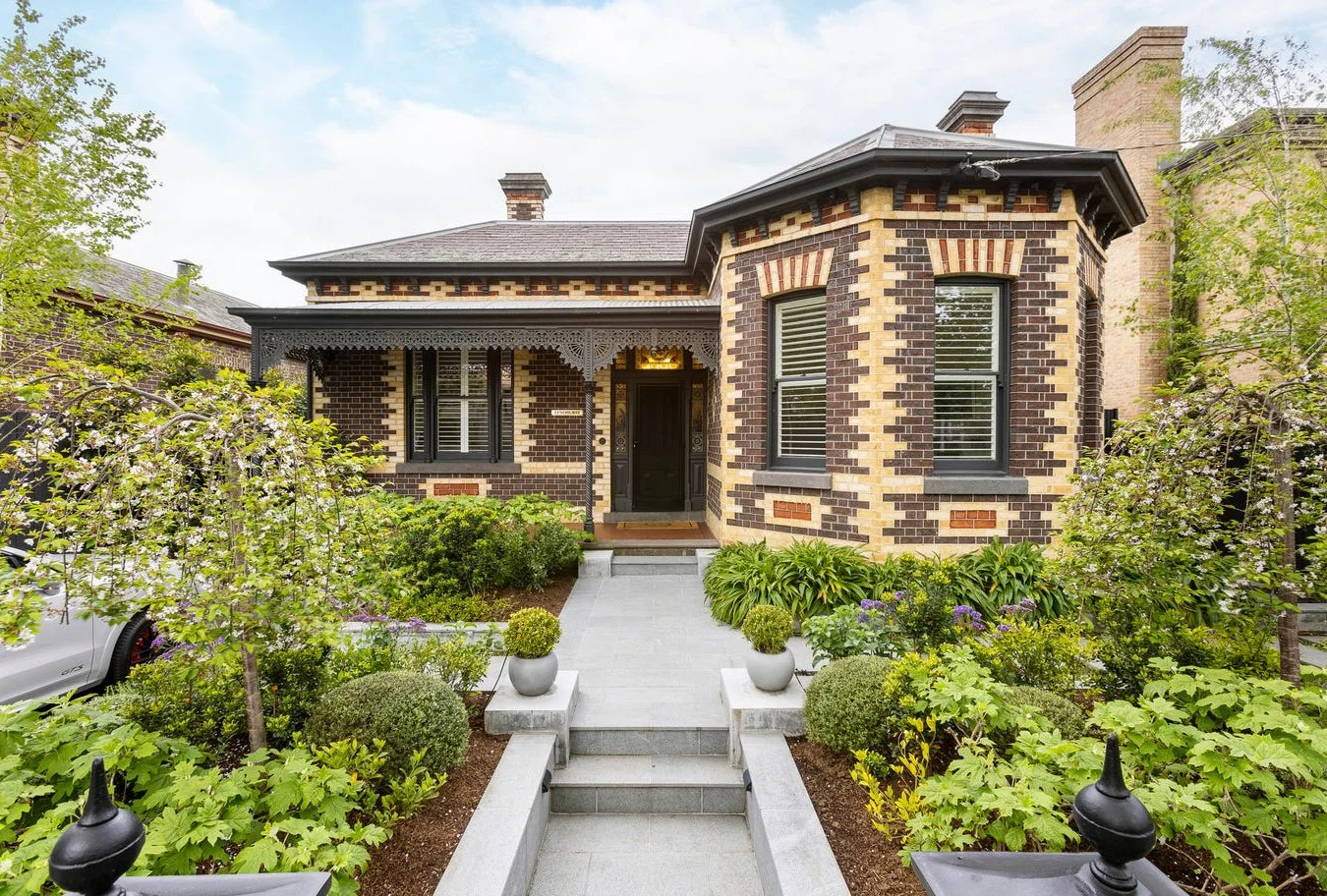
Period Victorian home in Armadale, showcasing the exterior and gardens that set the stage for thoughtful interior redesigns.
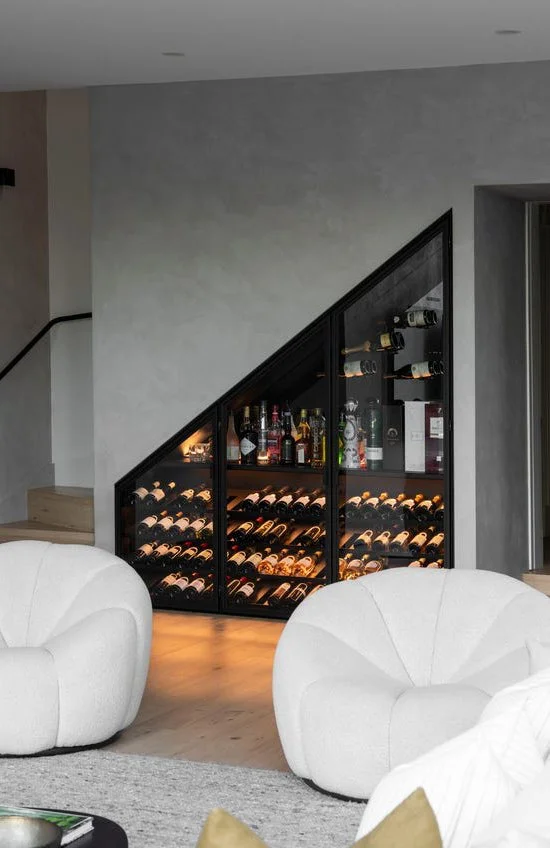
Custom under-stairs joinery designed to maximise storage while maintaining clean lines and uninterrupted flow.
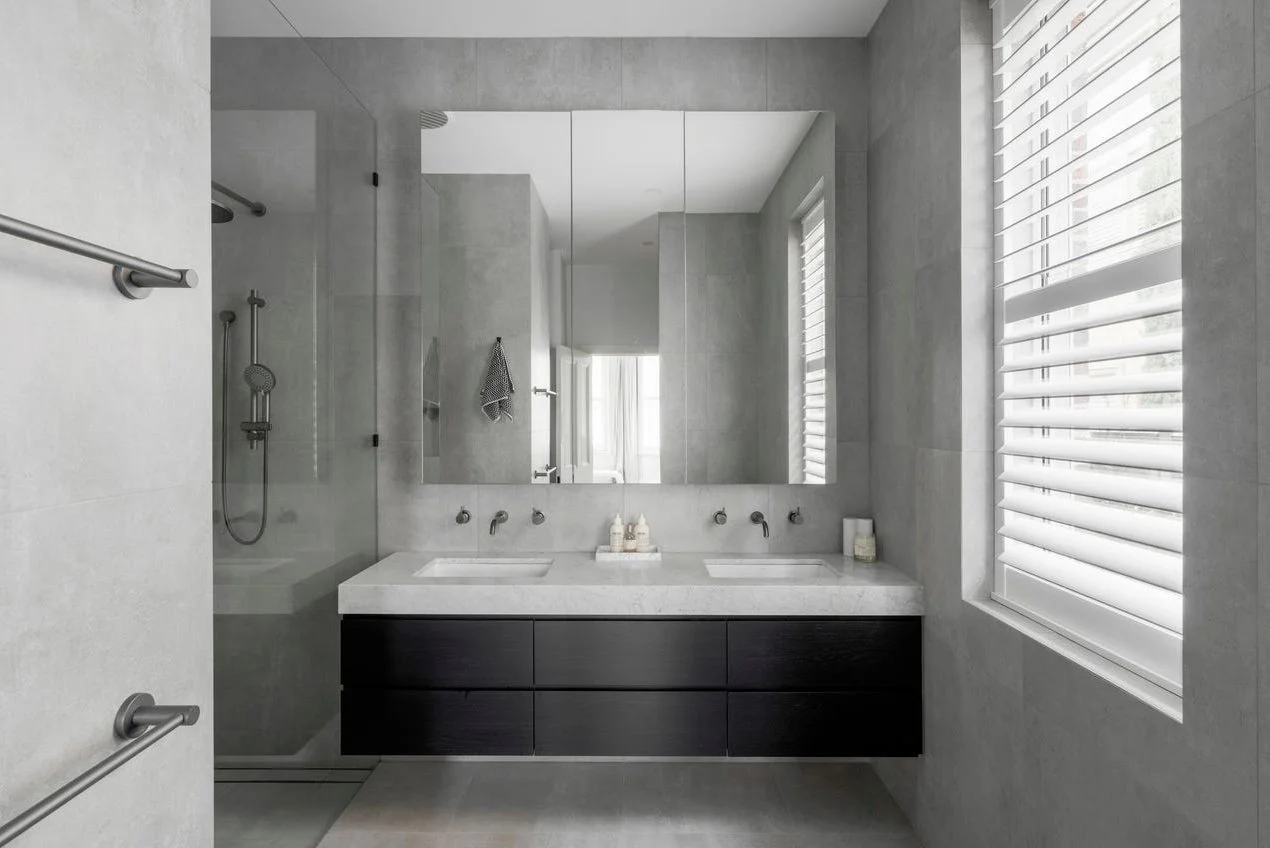
Black veneer vanity cabinetry introduces a sleek, minimalist edge to the ensuite, replacing the previous timber finish.
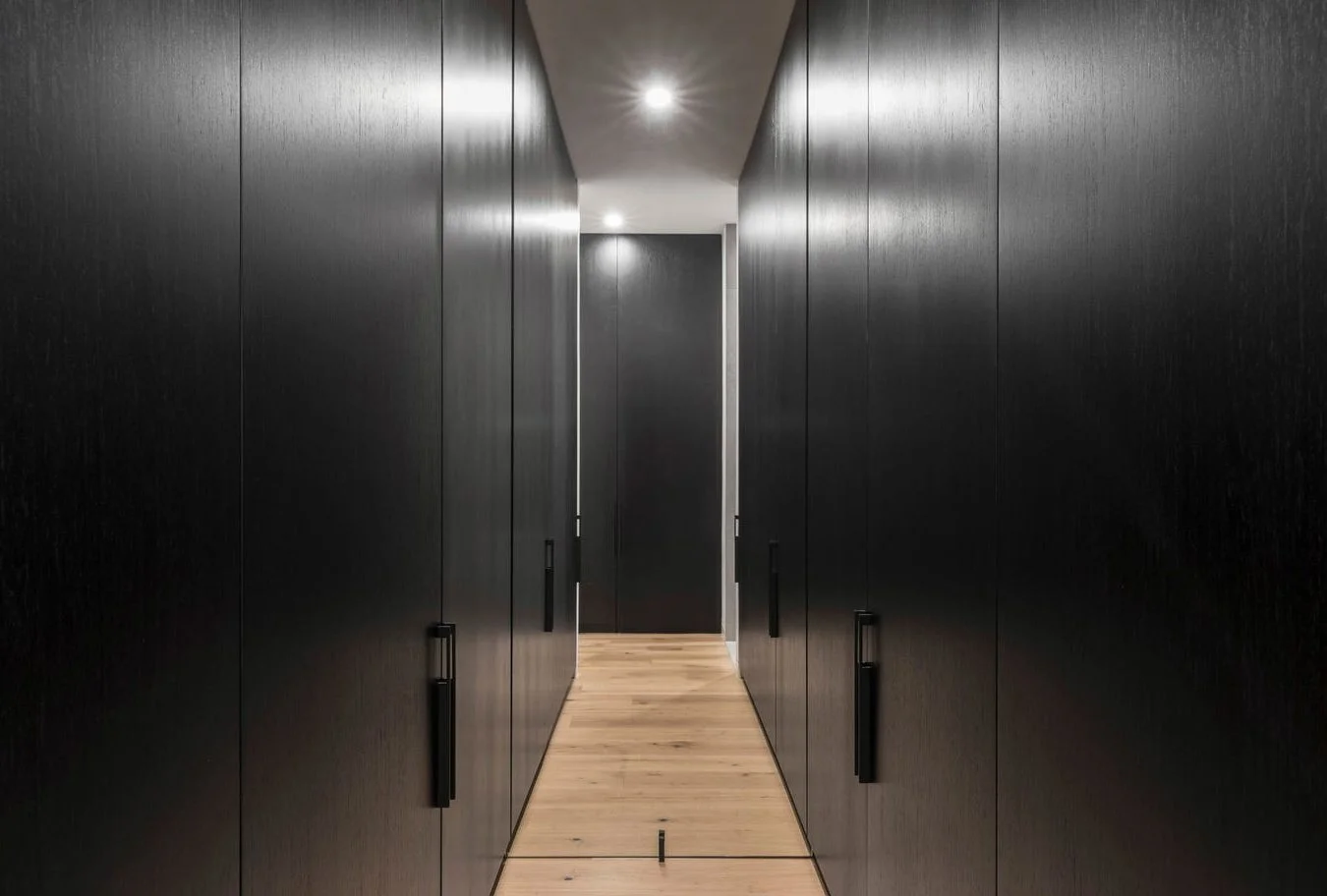
Floor-to-ceiling black veneer joinery transforms the walk-in robes, maximising storage while taking full advantage of the home’s soaring ceilings
See What’s Possible Without Extending
If your home looks beautiful but doesn’t quite work, the answer isn’t always more space.
It’s often about restoring balance, flow, and function—using what you already have.